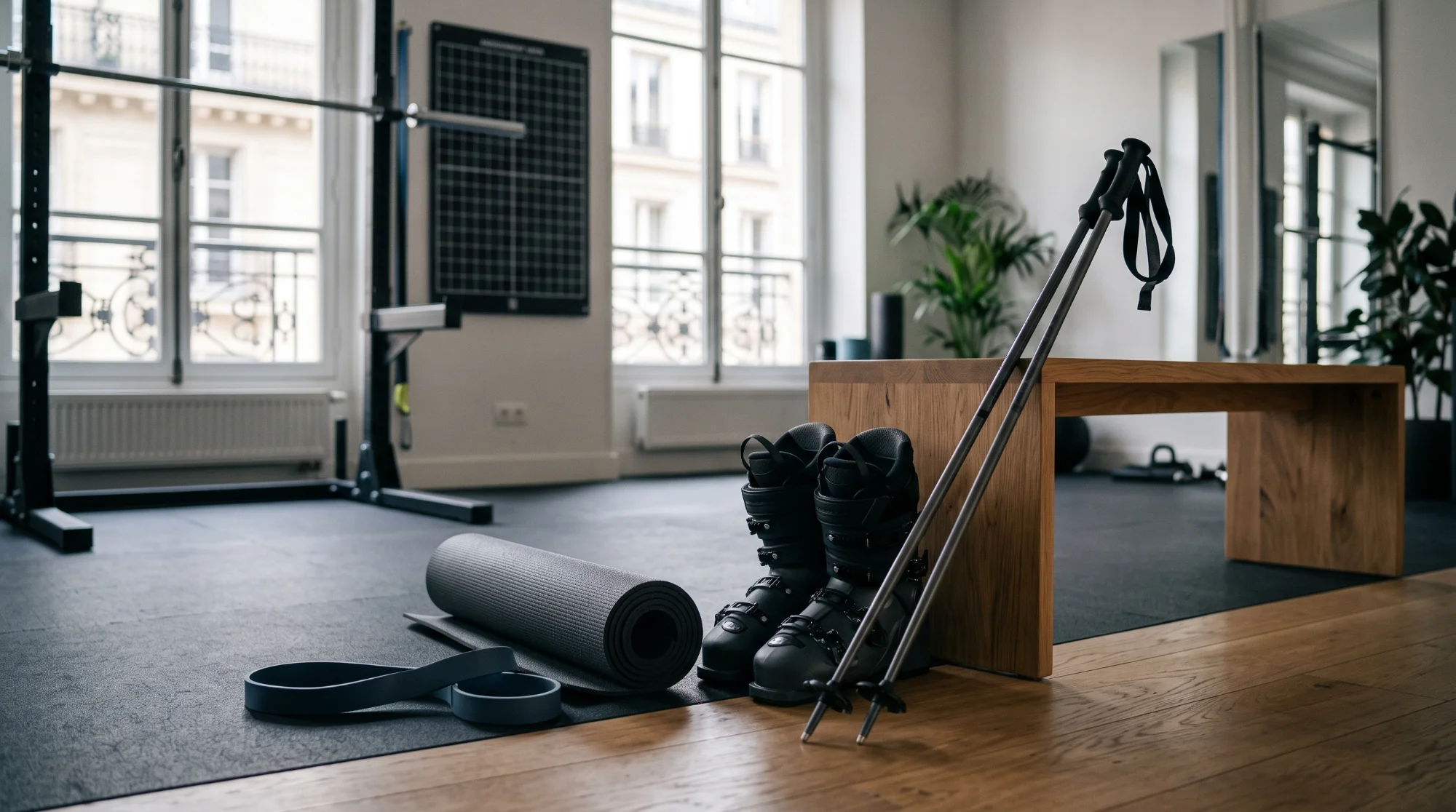
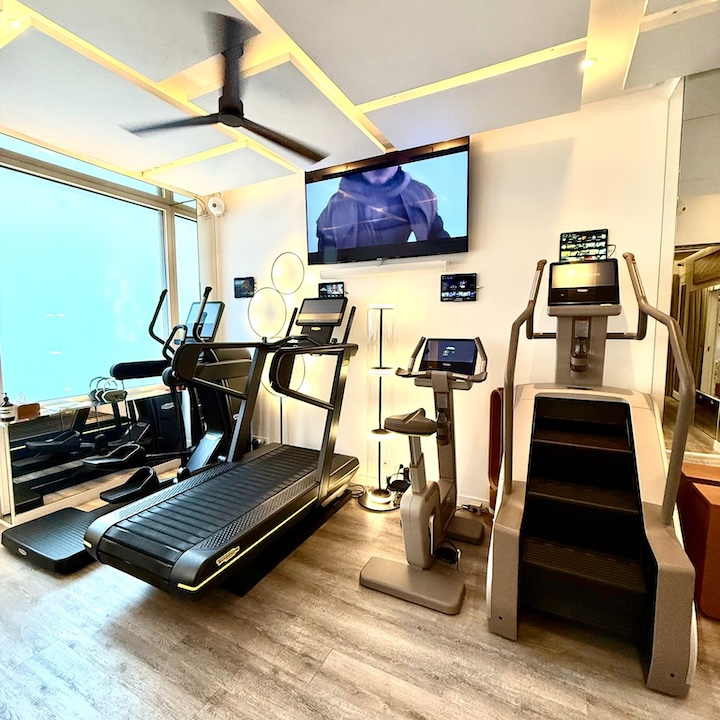
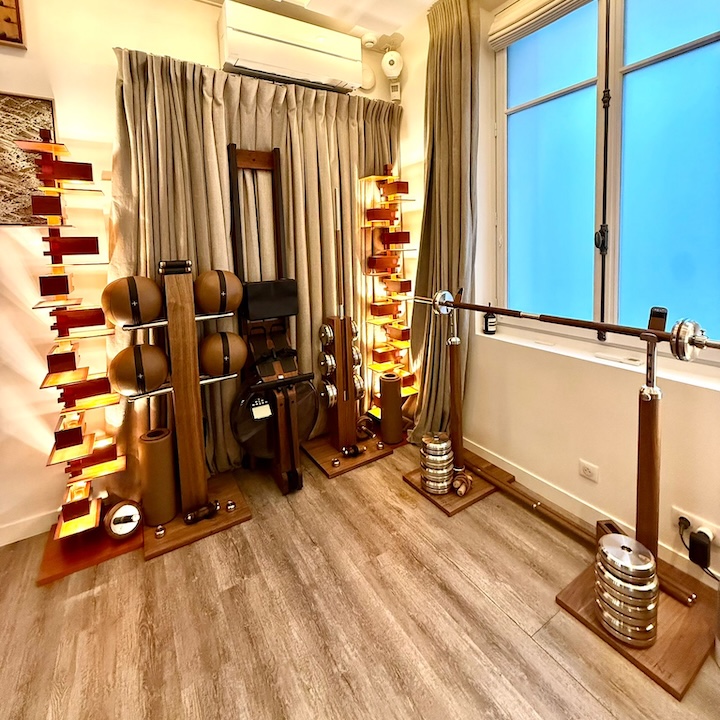
A weight-loss trainer doesn’t lose weight for you: they work with you to develop a progressive training program, help you stick to your eating habits, and adjust the intensity based on your body. If you choose the right one, they’ll help you avoid the two classic pitfalls: extreme dieting and injury. Here’s how it works in practice, what the official French guidelines say, and what we offer at Louis Fabre Coaching in Paris and Neuilly.
In a nutshell
- Effective coaching combines progressive physical activity, a balanced diet, and long-term follow-up, as recommended by the French National Authority for Health (HAS).
- Above all, exercise helps preserve your muscle mass and limits weight regain—that's what makes weight loss sustainable.
- Before you begin, get a medical checkup if you are overweight, and then proceed in stages.
- Check your coach's professional license: it is required for any paid sports instructor.
- At our facility, a personal training session costs €170 per hour, and the weight-loss program costs €800.
Table of Contents
- What a Weight-Loss Coach Actually Does
- Exercise and Nutrition: Why Both Matter
- How many sessions per week?
- What results can we expect, and how long will it take?
- Losing Weight Without Putting Yourself at Risk
- How to Choose a Personal Trainer to Lose Weight
- What Is the Coaching Process Like at Louis Fabre?
- Pricing for Our Weight Loss Coaching
- Get Started with Your Program
- Frequently Asked Questions
- Sources
What a Weight-Loss Coach Actually Does
Their primary role is to turn a vague goal (“lose ten kilos”) into a realistic plan tailored to your fitness level, any physical discomfort you may have, and your schedule. The HAS emphasizes this point: managing excess weight must be a collaborative effort with the individual, taking their life circumstances into account. A copy-and-paste program found online does not achieve this.
In practice, a good coach provides five things.
- An initial assessment: physical fitness, mobility, history of injuries, lifestyle, and eating habits.
- A gradual progression: intensity, volume, and frequency depend on your health and your starting point, not on a one-size-fits-all model.
- A safe technique: Proper form during strength training, cardio, or flexibility exercises protects your joints.
- A framework: A scheduled appointment in the calendar disrupts the routine, especially for executives and highly in-demand professionals.
- An outside perspective: it adjusts when fatigue, stress, or sleep change the situation.
What he doesn’t do: prescribe treatment, make a medical diagnosis, or promise a specific result within a few weeks. When the situation calls for it (obesity, diabetes, high cholesterol, joint pain), he works in conjunction with your doctor.
Exercise and Nutrition: Why Both Matter
The 2022 HAS summary outlines a long-term management approach that combines a balanced diet, a reduction in sedentary behavior, and gradual physical activity. None of these three strategies is sufficient on its own over the long term.
One statistic helps illustrate the issue. According to this same summary, gradual weight loss achieved through nutritional counseling over a 6-month period consists, on average, of 70% fat mass and 30% muscle mass. Regular physical activity limits this loss of muscle mass and helps prevent weight regain. Since muscle supports energy expenditure, preserving it means giving yourself the means to maintain your results.

That’s why we never separate training from nutrition. If you’d like to see how we combine the two, check out our page on personal training and nutrition coaching in Paris.
Official dietary guidelines
Without going on a diet, a few well-known guidelines can make everyday life easier:
- Eat at regular times and take at least 20 minutes per meal to promote a feeling of fullness, according to the HAS guidelines;
- Focus on fruits, vegetables, starchy foods, and fish, and limit sugary, salty, and fatty foods—as the Health Insurance program advises for people with diabetes—while maintaining a varied diet with no forbidden foods;
- If you have high cholesterol or triglycerides, choose fatty fish, vegetable oils, fruits, and vegetables, and limit your intake of saturated fats, according to ameli.
If any of these situations apply to you, dietary adjustments should be made in consultation with your doctor or a dietitian, and the coach will adapt your workout accordingly.
How many sessions per week?
There is no one-size-fits-all frequency. The HAS recommends a personalized approach: the intensity, volume, and frequency should be tailored to your health status, your starting level, your pain, and your goals.
General guidelines provided by the HAS:
| Phase | Endurance | Muscle strengthening |
|---|---|---|
| During weight loss | Gradually increase to at least 150 minutes per week at moderate intensity | A few sessions |
| Long-Term Weight Maintenance | 200 to 300 minutes per week, gradually increasing the amount | At least twice a week |
Source: HAS 2022 Summary.
These goals are not intended to be achieved in the first week. The HAS notes that these goals are often difficult to achieve in cases of obesity or poor physical conditioning; therefore , one should start with realistic goals, engaging in exercise intermittently or taking breaks if the joints hurt.
Here's an example of a typical week for a beginner, which we then tailor to each individual:
- 1 to 2 supervised sessions with the coach (technique, strength training, controlled cardio);
- 2 to 3 low-intensity endurance workouts on your own: brisk walking, biking, swimming;
- 1 mobility or yoga session to recover;
- sleep and days off, which are part of the program.
What results can we expect, and how long will it take?
The question everyone asks—and the honest answer is: it depends on where you’re starting from, your diet, how consistently you exercise, and your overall health. A reputable coach won’t promise you “10 kilos in a month.” Instead, they’ll set measurable goals for you: strength, endurance, waist circumference, daily energy levels, and sleep quality.
The HAS emphasizes that even a modest increase in physical activity provides significant benefits for health and quality of life, and that goals should be set in a realistic and gradual manner. The number on the scale is therefore just one indicator among many.
Another useful tip: While losing weight, you may experience temporary increases in pain—especially back pain—due to a redistribution of body weight. It’s recommended that you continue to stay active, while adapting your exercises. Talk to your trainer, who can adjust the exercises, and to your doctor if the pain persists.
Losing Weight Without Putting Yourself at Risk
A few safety rules, right where they matter.
- Screening and Assessment. The HAS recommends screening for overweight or obesity—particularly using BMI and waist circumference—and then developing a personalized care plan as soon as a diagnosis is made. If you are overweight or obese, talk to your primary care physician before resuming exercise.
- Joints. If you are overweight, your exercise routine should take joint pain into account. Low-impact or weight-bearing activities, such as cycling, are recommended, and you should increase the intensity gradually.
- No extreme diets. Severe restrictions cause you to lose muscle and often result in weight regain. We prefer a dietary approach that you can stick with for years.
- Medications for obesity. As of June 15, 2026, Wegovy and Mounjaro may be covered for certain adults with obesity, in conjunction with a low-calorie diet and increased physical activity, subject to certain conditions. If your doctor prescribes them, supervised exercise is a natural part of this treatment plan.
How to Choose a Personal Trainer to Lose Weight
Three simple checks to make before booking.
- The Professional License. A paid sports instructor must be qualified and registered. The license is issued after verification of qualifications and good character, and up-to-date information about it is accessible via a QR code or on the official sports instructors’ portal.
- An assessment before your first workout. If they make you work up a sweat right away without asking about your health, walk away.
- A plan that evolves. Your coach should adjust your workouts based on your fatigue, any pain you're experiencing, and your progress—not apply the same routine to all clients.
We go into detail about these criteria in our guide to identifying a true personal trainer.
The format matters too: studio sessions, in-home sessions, one-on-one sessions, or small group sessions. The studio provides access to a full range of equipment. In-home sessions eliminate the commute, which is a real plus for busy schedules. One-on-one sessions foster healthy competition. With remote sessions, you gain flexibility, but the coach has a harder time seeing how you’re performing the movements: if you’re overweight when you start, we recommend beginning with in-person sessions.
Our Perspective
After more than ten years of coaching, we’ve consistently observed the same thing: you don’t stick to a weight-loss program through willpower alone; you stick to it because it becomes part of your life. That’s why every session with us is tailored in real time to the client’s fitness level, lifestyle, and needs. A day full of meetings, a bad night’s sleep, or a sore knee doesn’t derail the plan—it just adjusts it.
We also believe that you can’t separate the body from the mind. Mental coaching and a personalized nutrition strategy are part of our support, because fatigue, stress, and habits play just as big a role as training. Our approach is aimed at lasting transformation, not a six-week sprint.
Finally, we pay close attention to the setting: a sophisticated studio, top-of-the-line equipment, and a coach who is entirely dedicated to you for the entire hour. This attention to detail is what helps our discerning clients stay consistent, session after session.
Bertrand
What Is the Coaching Process Like at Louis Fabre?
Here is a typical itinerary, which we then customize.
- Personalized Assessment. We’ll review your goals, your physical condition, your mobility, and your daily routine. This service is billed at €140 per hour on the personalized assessment page.
- Workout Plan. Weight training, strength training, HIIT, boxing, Pilates, yoga, or flexibility training: we’ll choose the activities that are right for you and that you’ll want to stick with.
- Nutrition Strategy. Personalized advice, including guidance on micronutrients, to support your training without excessive deprivation.
- Workouts and Adjustments. We adjust the intensity from one workout to the next based on your fitness level.
- Recovery. Sleep, light exercise, and—if you'd like—a recovery massage.
- Regular check-ins. We track your progress together and set the next step.
We offer our services in Paris, Neuilly-sur-Seine, and at your home. If you live in western Paris, check out our page on weight loss in Neuilly-sur-Seine.
Pricing for Our Weight Loss Coaching
Here are our published prices. The cost depends on the format and the number of sessions.
| Formula | Rates |
|---|---|
| Personal coaching | 170 € per hour |
| Personalized assessment | 140 € per hour |
| Group coaching | 200 € per hour |
| Private Coaching at Home | 250 € |
| Weight loss program | 800 € |
| Muscle strengthening | 800 € |
| Recovery massage | 200 € per hour |
| Pack of 10 sessions | 1 550 € |
| Pack of 20 sessions | 3 000 € |
| Pack of 30 sessions | 4 450 € |
A schedule of one to two sessions per week over several months aligns with the progression plan we just described. The session packages are ideal for those looking to commit long-term: the 10-session package works out to €155 per session, compared to €170 for a single session. Details about each service can be found on our “All Our Services” page.
Get Started with Your Program
If you want a clear plan right from the first week, our weight-loss program (€800) combines personalized training, nutritional guidance, and ongoing support. We always start by assessing where you are, then we develop a plan that you can stick to.
Would you prefer to learn more about the location and the method first? Our page on the private studio in Paris describes the experience, and you can book directly through louisfabre.com.
Frequently Asked Questions
Can a personal trainer really help me lose weight?
Yes, as long as you view it as a guide rather than a miracle solution. It provides structure to your workout, corrects your form, and helps you stay consistent. According to the HAS, physical activity limits muscle loss and helps prevent weight regain. It complements your diet—it doesn’t replace it.
How long does it take to see results?
This varies depending on each person’s starting point, diet, consistency, and overall health. We don’t promise a specific timeframe: instead, we set realistic goals (strength, endurance, energy, waist circumference) that we track together. You’ll often notice the first changes in your physique and how you feel before you see them on the scale.
Should you see a doctor before you start?
Yes, if you are overweight or obese, if you have a medical condition (diabetes, high cholesterol, joint pain), or if you’re returning to exercise after a long break. A medical evaluation helps determine what’s appropriate for you. The coach then tailors the sessions based on the results of that evaluation.
In-Home or Studio Coaching: Which Should You Choose?
Working out at home saves time and makes it easier to stay consistent, while the studio offers a full range of equipment. The choice depends on your schedule and your goals. We offer both options, as well as sessions for two or in small groups.
How can you verify that a coach is qualified?
Ask to see their sports instructor license. The information on the license can be accessed via a QR code or on the official website of the Ministry of Sports. A paid sports instructor must be qualified and registered.
Sources
- Guide to the Care Pathway: Overweight and Obesity in Adults (HAS)
- Overweight and Obesity in Adults: Summary on Physical Activity (HAS, 2022)
- Overweight and Obesity in Adults (HAS, July 2022 version)
- Physical Activity for Your Health (HAS)
- Guide to the Care Pathway for Overweight and Obesity (HAS, web page)
- Diabetes and Daily Nutrition (ameli)
- High Cholesterol and Triglycerides: What Are the Treatment Options? (ameli)
- Obesity: New Drugs Covered (ameli)
Recommendations