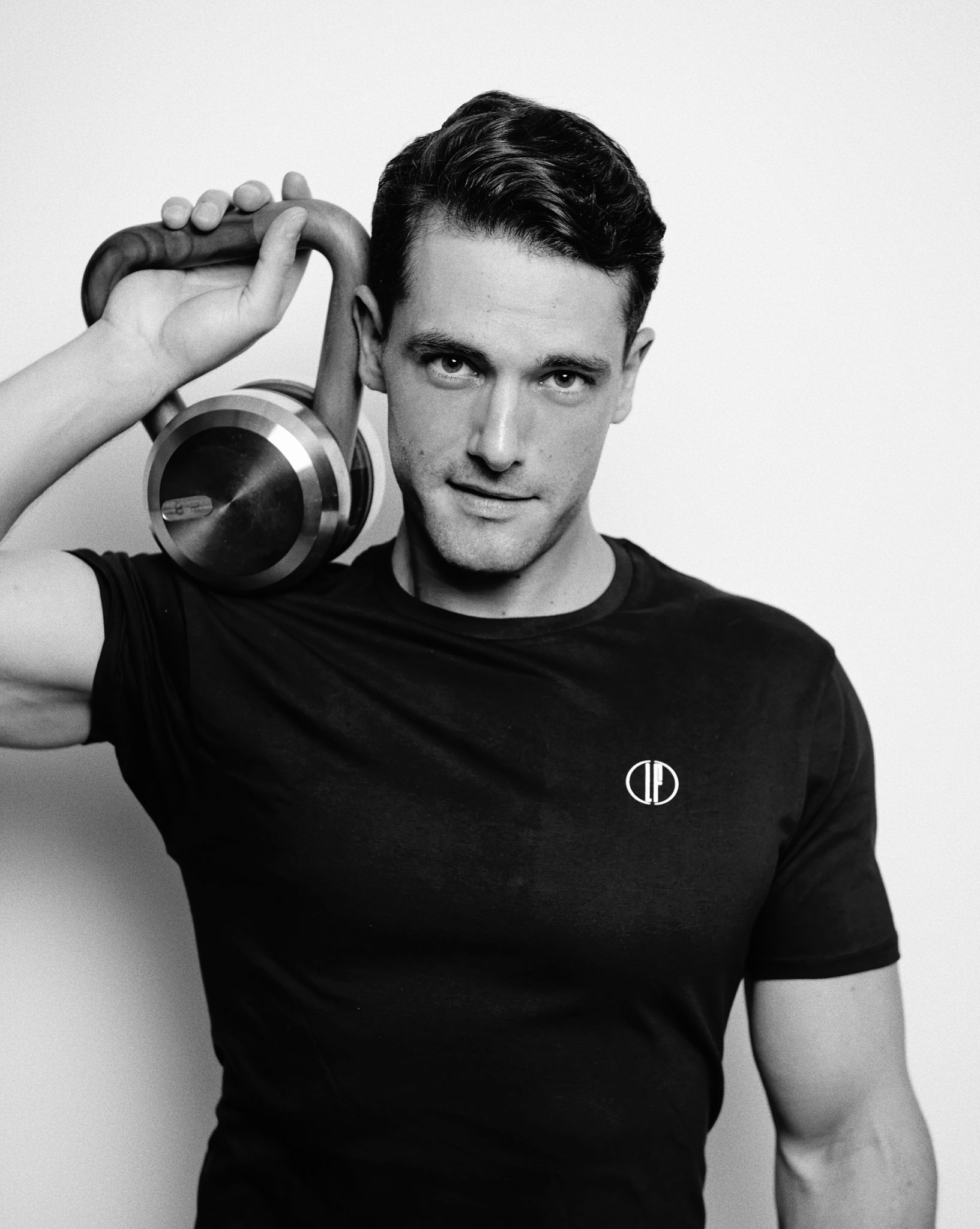
The Art of Recovery: Learning to Slow Down to Make Better Progress
In our modern society, we’re conditioned to confuse value with volume. We glorify the “hustle”—constant movement, relentless productivity, and the “no days off” mindset. Whether in the boardroom or at the gym, the dominant narrative is that if you’re not suffering, you’re not succeeding. We carry this mindset over into our physical training, convinced that to become stronger, leaner, or fitter, we must push our bodies to the absolute limit every day.
However, after years of coaching high-performing individuals in Paris, London, and Singapore, I've observed a paradox that is as common as it is frustrating: often, the clients who struggle the most to see results aren't the ones who aren't doing enough; they're the ones who are doing too much.
They're running on empty, fueling their workouts with cortisol instead of energy.
True physical transformation doesn't happen while you're lifting weights. It happens when you put them down. Today, we need to redefine the concept of rest. Recovery isn't a reward for working hard, nor is it a sign of weakness. It's a vital, active, and non-negotiable component of your physical success.
The Physiology of Growth: What Really Happens?
To understand the importance of recovery, we need to look beyond “gym science” and examine human physiology.
When we work out—whether it’s heavy weight training, high-intensity interval training (HIIT), or endurance training—we aren’t building muscle. We’re actually triggering a catabolic (breakdown) process. We create micro-tears in muscle fibers, deplete our glycogen (energy) stores, and subject the body to significant oxidative stress. Most importantly, we stimulate the central nervous system (CNS), the control center that governs muscle activation and coordination.
The magic happens in the hours and days following the session. This is the biological principle of supercompensation.
If—and only if—the body receives adequate fuel (nutrition) and time (rest), it repairs the damage. But the body is intelligent; it doesn’t simply return to its original state. It rebuilds the tissues so that they are stronger, denser, and more efficient than before, precisely so it can better withstand that level of stress the next time.
Here is the key equation:
- Stress + Rest = Growth
- Stress + Stress = Injury and Burnout
Without the "Rest" variable, you remain in a state of chronic stress. This leads to systemic inflammation, hormonal imbalances (low testosterone, high cortisol), and a weakened immune system.
The Hidden Variable: “Allostatic Load”
One of the biggest mistakes is to view the stress of training in isolation. You might think, “I only worked out for an hour—I should be fine.”
However, your body doesn't distinguish between different sources of stress. It has a single "stress bucket," technically known as allostatic load. This bucket collects everything:
- The mechanical stress of a deadlift.
- The metabolic stress of skipping a meal.
- The psychological stress of an impending deadline.
- The environmental impact of a night flight from London to Singapore.
If your “life stress” is at an 8 out of 10 and you try a workout at an intensity of 9 out of 10, your bucket will overflow. That’s when progress stops. As a coach, my role is to assess your overall workload. If your work life is demanding right now, your workout should be restorative, not destructive.
Are You Overtraining? The Warning Signs
How can you tell if you're not recovering enough? The signs are rarely as obvious as a torn muscle. They start as subtle whispers before turning into screams.
- Plateau: You're training hard, but your weights aren't getting heavier, or your body composition isn't changing. The body holds onto its fat reserves as a survival mechanism in response to chronic stress.
- Poor sleep quality: You’re physically exhausted, yet you stay awake at night (“tired but on edge”). This suggests that your sympathetic nervous system is stuck in overdrive.
- Mood instability: irritability, lack of motivation, or a feeling of “brain fog” are classic signs of CNS fatigue.
- Persistent pain: joint pain that won't go away or stiffness that sets in several days after a workout.
If you recognize these signs, the answer isn't another HIIT class. The answer is to take a strategic step back.
The Psychology of High Achievers
For the driven individual—the entrepreneur, the executive, the perfectionist—taking a day off can be psychologically unbearable. It feels like stagnation. People often fear that if they stop moving forward, they’ll lose their momentum or “get soft.”
We need to reframe this narrative. Recovery requires discipline.
It takes more mental strength to hold back when you want to push yourself than to go through the motions of a workout. Respecting your body’s need for rest is an act of self-respect. It’s the shift from seeing exercise as a “punishment” for what you’ve eaten to viewing it as an investment in your longevity.
The Recovery Toolkit: Active vs. Passive
Rest doesn't always mean lying on the couch (even though, sometimes, that's exactly what you need). A comprehensive recovery strategy includes both passive and active elements.
1. The Essential: Sleep
No supplement, ice bath, or massage gun can replace sleep. It is during this phase that your body releases growth hormone. If you train like an athlete but sleep only 5 hours a night, you’re wasting your efforts. Prioritizing good sleep hygiene is the most effective performance booster there is.
2. Active Recovery
On your days off, movement is still the best remedy. Active recovery involves low-intensity movement that promotes blood flow to the muscles without taxing the nervous system. This helps eliminate metabolic waste products such as lactate and reduces stiffness.
- Examples: a long walk in nature, a gentle swim, or a dedicated mobility session.
3. Nutrition and Hydration
Recovery starts from the inside. Are you getting enough protein to repair your tissues? Are you hydrated enough to support proper cellular function? Alcohol, often used to “unwind” after a stressful week, unfortunately halts protein synthesis and ruins sleep quality, sabotaging your recovery efforts.
The Role of the Coach: Why You Need a Strategist
This is where the value of a personal trainer goes far beyond the gym floor. In the age of fitness apps and YouTube workouts, anyone can find a set of exercises to do. But a generic program can’t read your body’s signals.
At Louis Fabre Coaching, I see myself less as a “coach” and more as a manager of your physical resources. We work with a self-regulation system.
- Objective monitoring: We monitor the data. If your grip strength decreases or your resting heart rate is high, we adjust the session immediately.
- Periodization: We structure your year into phases. High-intensity blocks should be followed by "recovery" weeks. This wave-like structure prevents plateaus and ensures you’re at your peak at the right time.
- Adapting to Your Lifestyle: If you're traveling or going through a tough time at work, I won't schedule a session focused on breaking your personal record. Instead, I'll schedule a session that helps you manage that stress, so you'll feel energized—not exhausted.
Conclusion: Playing for the Long Term
If your goal is a “quick fix” or a beach-ready body for a vacation in two weeks, you might be able to burn the candle at both ends for a short while. But the bill always comes due eventually.
On the other hand, if your goal is a strong, resilient body that will serve you for decades—a body that allows you to ski, play with your children, and run your business with energy—you need to master the art of recovery.
Fitness isn't a sprint; it's a lifelong practice. Progress isn't linear, and it isn't built on exhaustion. It's built on balance.
The next time you feel guilty about spending a day focusing on movement, breathing, or simply sleeping in, remember: you’re not slowing down. You’re recharging for the next stage of your progress.