The Leader's Paradox: Optimizing Everything Except Oneself
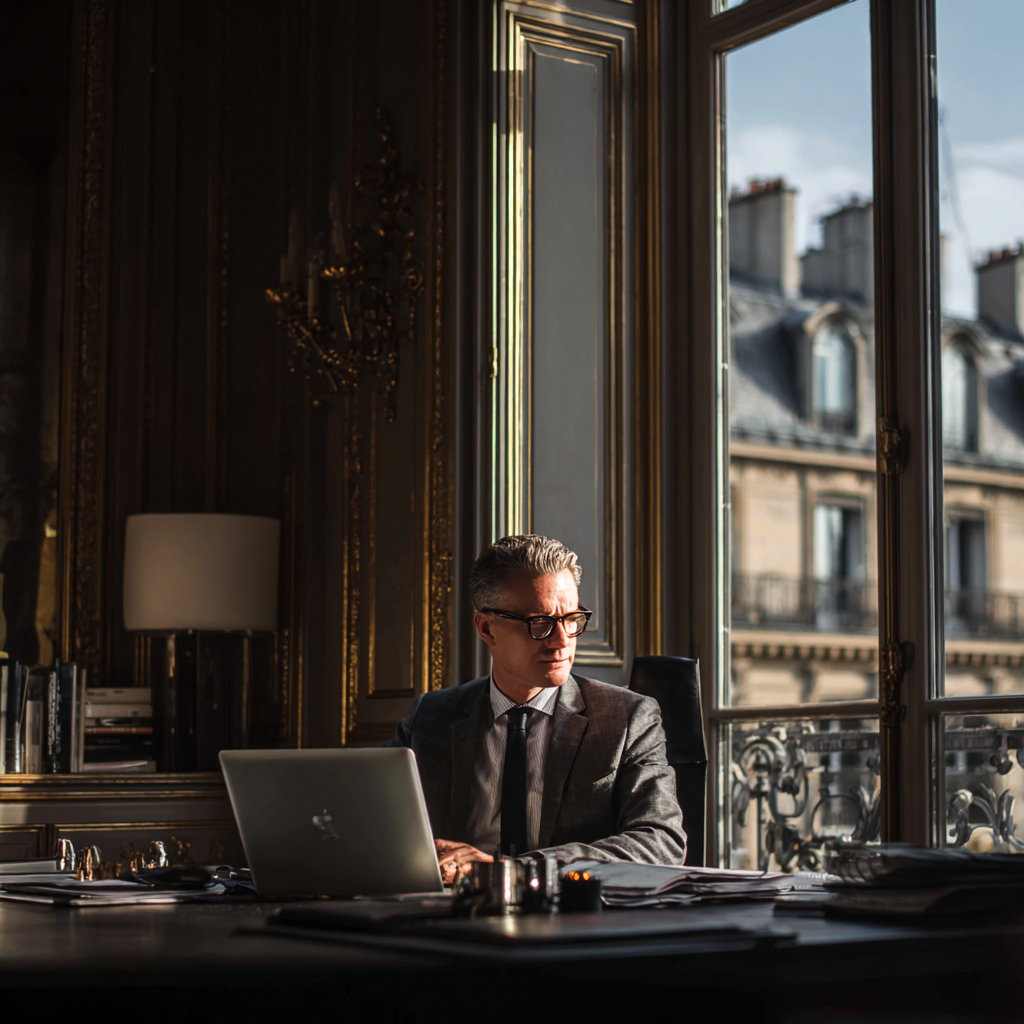
You manage teams, budgets, and high-stakes decisions. You demand excellence from your employees, your tools, and your processes. And yet, the engine that powers this entire system—your own body—often operates in a compromised state.
This is a pattern seen among most executives in Paris and elsewhere. Sleep is sacrificed. Meals are eaten on the go between meetings. Exercise is put off until “when I have time.” And that time never comes.
The result? Chronic fatigue sets in, back pain becomes a daily occurrence, and stress levels never go down. The body sends warning signs, but the executive keeps pushing forward—until the day he can’t anymore.

Sports as a Tool for Cognitive Performance
Physical exercise isn't just a brief interlude in an executive's day. It boosts intellectual performance.
Neuroscience confirms it: structured physical exercise stimulates the production of BDNF (Brain-Derived Neurotrophic Factor), a protein that promotes the creation of new neurons and strengthens existing brain connections. In practical terms, this translates to improved concentration, a more reliable memory, and increased creativity in solving complex problems.
Regular physical activity also helps regulate cortisol, the stress hormone. An executive who works out three times a week does not react to a crisis in the same way as a sedentary executive. Their nervous system is better balanced, they have a greater ability to step back and see the bigger picture, and their decisions are more clear-headed.
It's not a matter of willpower or mental discipline. It's pure physiology. A well-oxygenated brain and a balanced nervous system lead to better decisions. Period.
Why Traditional Solutions Don't Work for Executives
Executives who decide to "get back into exercise" often fall into the same traps.
First pitfall: the gym membership. He signs up with the best of intentions, goes three times, and then his schedule takes over. The gym is packed in the evening, the commute takes 20 minutes, and he has to wait for the machines. For someone whose time is worth several hundred euros an hour, it’s a disastrous investment in terms of time.
Second pitfall: online apps and programs. They lack personalization and, above all, the human touch that fosters commitment. Without someone there waiting for you—someone who knows your body and your limitations—giving up is almost inevitable.
Third pitfall: the general-purpose trainer at a public gym. Even with a good trainer, the environment of a public gym isn’t suitable for an executive. The lack of privacy, the noise, the interruptions. For someone who spends their day being constantly interrupted, the last thing they need is yet another space where they have no peace and quiet.

How Private Coaching Makes a Difference for an Executive
Private indoor sports coaching is specifically tailored to the demands of executive life. Here's why.
Zero hassle, zero wasted time. When you arrive at a private studio, everything is ready. No waiting, no shared locker room, no background noise. Your session begins the moment you walk through the door. In 60 minutes, you get the equivalent of 90 to 120 minutes at a traditional gym.
A program tailored to your situation. Your coach knows you just got back from a three-day trip to London. He knows you didn’t sleep well on Tuesday. He adjusts the session in real time: mobility and active recovery rather than maximum intensity. This ability to adapt is what makes the difference between a workout that builds you up and one that breaks you down.
A space to disconnect. For many executives, the coaching session becomes the only time of the week when they are unreachable, when they aren’t managing anything, and when they focus solely on themselves. It’s an investment in their mental as well as physical well-being.
Exercise as a Way to Manage Chronic Stress
The stress experienced by an executive is not a one-time occurrence. It is a constant state fueled by ongoing decision-making and responsibility toward teams, shareholders, and customers. This chronic stress has measurable consequences: high blood pressure, sleep disorders, abdominal weight gain, irritability, and decreased libido.
Structured physical exercise acts as a natural regulator. During exercise, the body releases endorphins and serotonin. After exercise, the parasympathetic nervous system takes over, promoting recovery and deep relaxation.
An executive who exercises regularly sleeps better, recovers more quickly, and maintains a steady energy level throughout the day. This isn’t just superficial well-being. It’s a tangible competitive advantage.

Physical Presence as a Leadership Tool
Leadership isn't just about words. It's about your posture, your energy, and the physical presence you project when you walk into a room.
A leader who stands up straight, breathes calmly, and exudes vitality naturally inspires confidence. Conversely, a slumped posture, a face marked by fatigue, and shortness of breath send signals of vulnerability—even unconsciously.
Structured training corrects postural imbalances caused by years of sitting. It strengthens the core muscles that support the back. It improves respiratory capacity. These are subtle changes, but they alter the way others perceive you—and, most importantly, the way you perceive yourself.
Longevity: Protecting the Second Half of Your Career
At age 35, the body can handle a lot. At 45, less so. At 55, not at all.
Sarcopenia (age-related loss of muscle mass) begins as early as age 30, with a loss of 3 to 5 percent per decade if no action is taken. Joints lose mobility. Bone density decreases. Metabolism slows down.
These processes are not inevitable. They can be significantly slowed down—or even reversed—through regular, well-planned strength training. Executives who invest in their physical fitness today are not only protecting their current health; they are also safeguarding their ability to lead, travel, and perform over the next 20 years.
The most impressive careers don't end at age 50. They are built on a solid physical foundation that allows you to go the distance.
How Louis Fabre Coaching Supports Executives
At Louis Fabre Coaching, executives make up a significant portion of the client base. Our operations are designed to accommodate their specific needs.
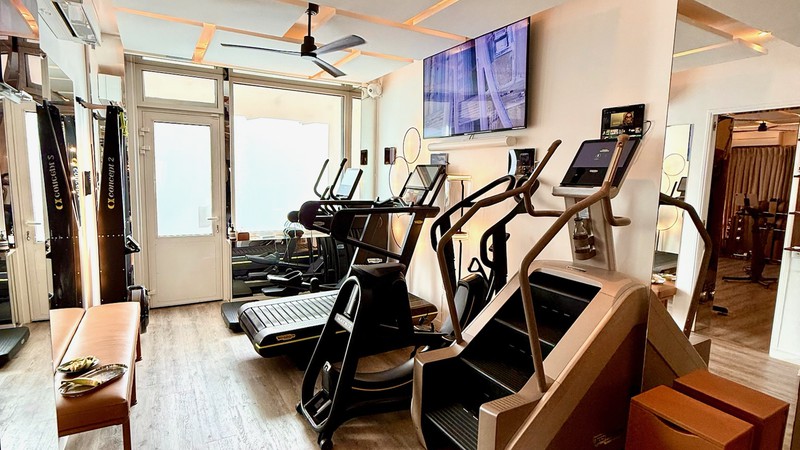
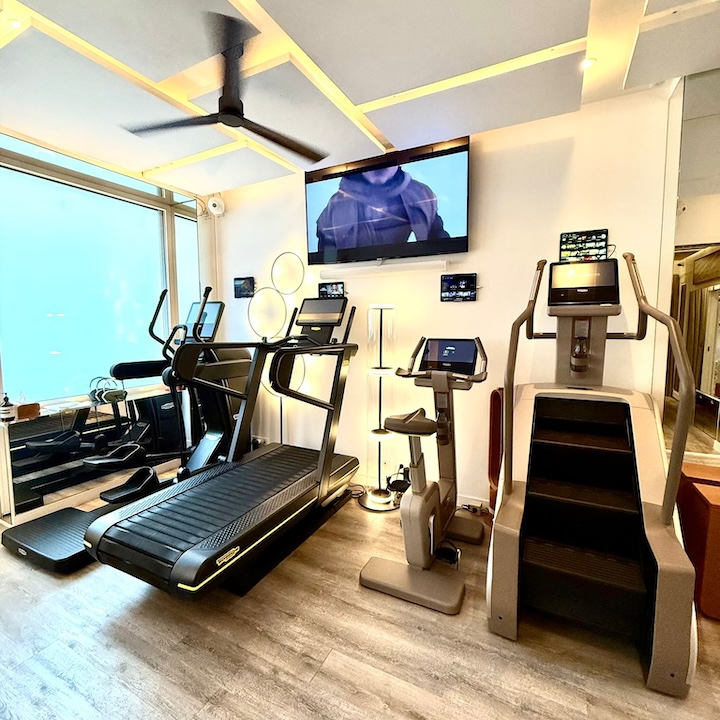
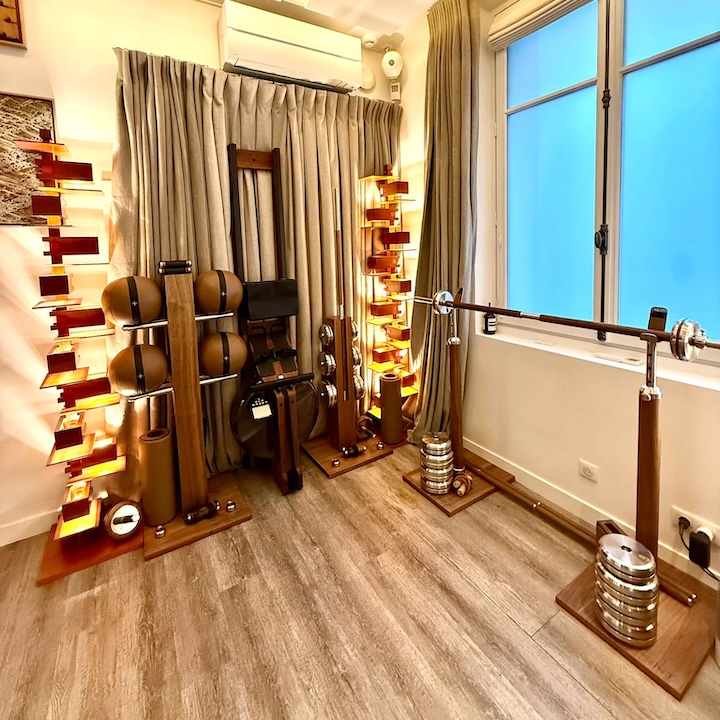
A completely private studio in Neuilly-sur-Seine. Located 5 minutes from the Pont de Neuilly metro station (Line 1), the space is equipped with Technogym Artis Luxury and Pent Fitness equipment. You’ll have your coach all to yourself. No distractions, no prying eyes.
Flexible scheduling. The sessions fit around your schedule—not the other way around. An unexpected trip, a rescheduled meeting, jet lag after a flight: the schedule is constantly adjusted.
A holistic approach. Physical training is at the core, but the method also incorporates nutritional guidance, sleep optimization, and recovery management. Every factor that affects your performance is taken into account.
Bilingual communication. Louis Fabre works in both French and English, which is ideal for international executives based in Paris.
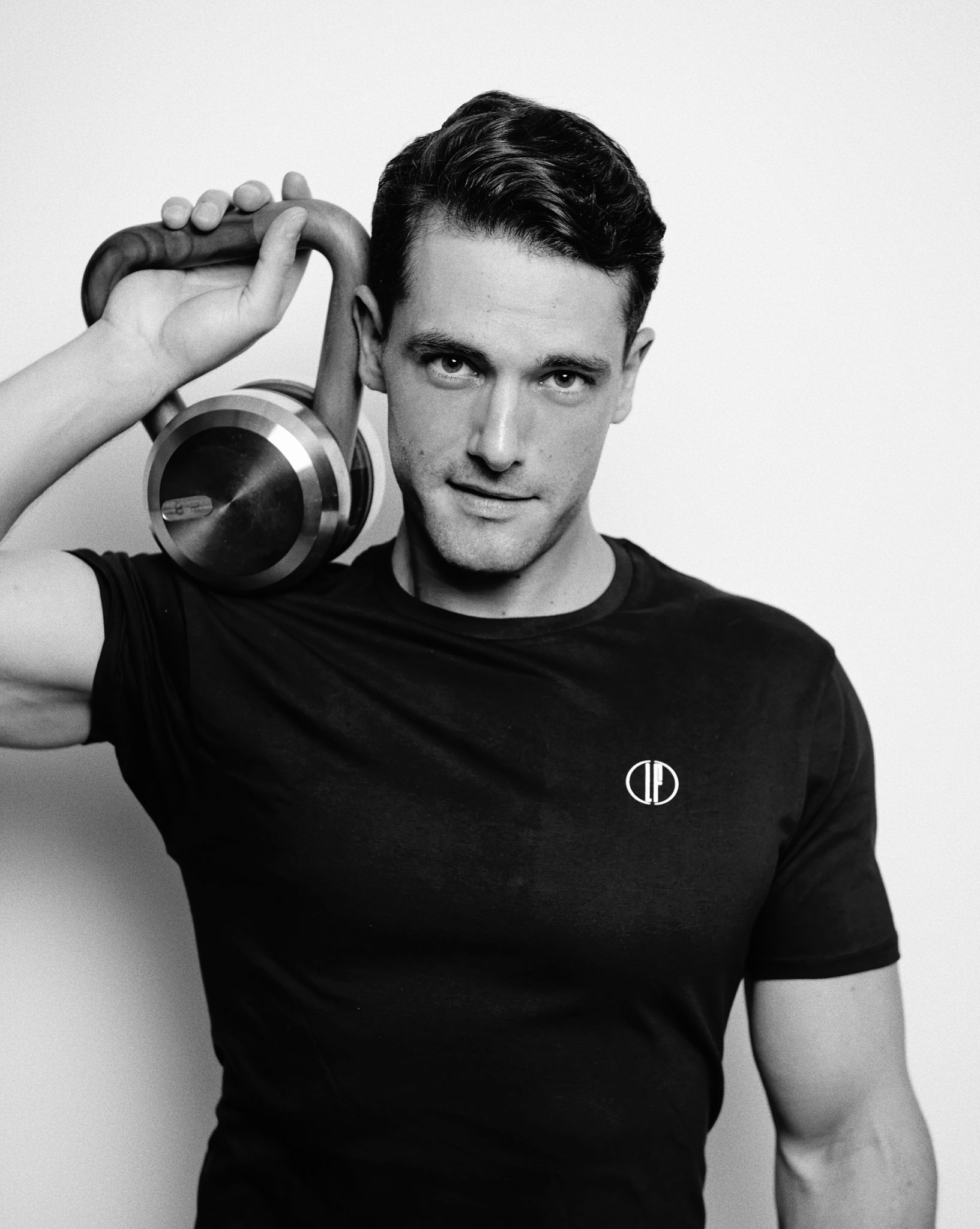
With over 10 years of experience and more than 2,000 clients served, Louis Fabre understands the specific challenges faced by executives in high-responsibility roles. The goal isn’t to turn you into a competitive athlete. It’s to give you the energy, mental clarity, and physical resilience to excel at what you’re already doing.
Ready to turn your physical fitness into a strategic advantage? Book your first session and discover a coaching program designed for demanding leaders.