Why Quarantine Is a Game-Changer
After age 40, your body no longer responds to the same demands in the same way. This isn’t a decline—it’s a natural evolution. Muscle mass naturally decreases by 3 to 5 percent per decade starting at age 30. Your metabolism slows down. Recovery takes longer. Your joints become more sensitive to repetitive movements performed incorrectly. And short nights, frequent travel, or work-related stress take a toll on your body with an intensity you didn’t feel ten years ago.
What worked when I was 25—running three times a week without warming up, doing one high-intensity workout after another, and eating whatever I wanted without any visible consequences—no longer works. Sticking with this approach leads to injury, frustration, or giving up.
The good news is that your 40s are also the age when smart training yields the most profound and lasting results. You have the maturity to be consistent, the discipline to stick to a program, and the motivation to protect your health for decades to come.
The Pitfall of Generic Programs
Most online fitness programs are designed for a young, healthy audience with no specific limitations. They fail to take into account the realities of a body aged 40 and older: morning stiffness, chronic lower back pain, loss of mobility in the hips and shoulders, and postural imbalances caused by years of sitting.
Following a HIIT program you found on YouTube after spending 15 years sitting at a desk without any structured exercise isn’t motivation. It’s a risk. The most common injuries among people over 40 who are getting back into sports—tendinitis, lower back pain, and knee injuries—occur precisely because intensity comes before preparation.
An effective exercise program for people over 40 always begins with a comprehensive assessment: postural analysis, mobility evaluation, functional strength testing, and body composition measurement. Without this initial assessment, any program is based on assumptions.
The Three Pillars of Successful Fitness After Age 40
Structured strength training. It is the foundation of any serious fitness program for people over 40. Strength training, when performed with precision and in a progressive manner, is the best way to combat sarcopenia, protect your joints, improve bone density, and boost your metabolism. Two to three sessions per week of targeted strength training—using compound exercises such as squats, deadlifts, and bench presses, tailored to your fitness level and any limitations you may have—will produce visible results in just a few weeks.
Mobility and recovery. After age 40, mobility is no longer a bonus—it’s a necessity. A stiff body is a body that compensates, and compensation leads to injuries. Each session should include a prolonged warm-up lasting 10 to 15 minutes, specific joint mobility exercises, and assisted stretching at the end of the session. Recovery must be planned with the same rigor as training: sleep quality, stress management, hydration, and post-workout nutrition are non-negotiable factors.
Age-Appropriate Nutrition. Nutritional needs change after age 40. Protein becomes even more important for maintaining muscle mass: aim for 1.6 to 2 grams per kilogram of body weight per day, spread across three to five meals. Complex carbohydrates provide the energy needed for exercise. Healthy fats support hormone production. And certain micronutrients—including vitamin D, magnesium, and zinc—deserve special attention, as deficiencies in these are common and directly impact recovery and performance.
Why a Personal Trainer Makes All the Difference
Getting back in shape after age 40 isn’t a matter of willpower. It’s a matter of precision. Every 40-year-old body is unique: its athletic history, past injuries, lifestyle, and work and family commitments create a profile that no standardized program can properly address.
A personal trainer offers three things that no app or online program can replicate. The first is a thorough initial assessment. This isn’t just about measuring your weight or waist circumference, but about analyzing your posture while standing and in motion, testing the mobility of each joint, identifying muscle imbalances, and understanding how your lifestyle affects your body on a daily basis.
The second is real-time adaptation. Your body isn’t the same on a Monday morning after a restful weekend as it is on a Thursday evening after four days of intense meetings. A skilled coach assesses your physical and mental state from the very first minutes of the session and adjusts the program accordingly. Some days call for intensity. Others require technical work, mobility, or active recovery.
The third is accountability. When you know that someone is counting on you, that your progress is being tracked, and that each session is part of a structured progression, it becomes much harder to give up. Consistency is the number one factor in success, and a coach creates the conditions for that consistency.
The Training Environment: An Underestimated Factor
Getting back into exercise after age 40 in a crowded gym—with machines in use, background noise, and people watching—isn’t just uncomfortable. It’s counterproductive. The environment directly affects your ability to concentrate, your ability to perform movements with precision, and your stress levels during your workout.
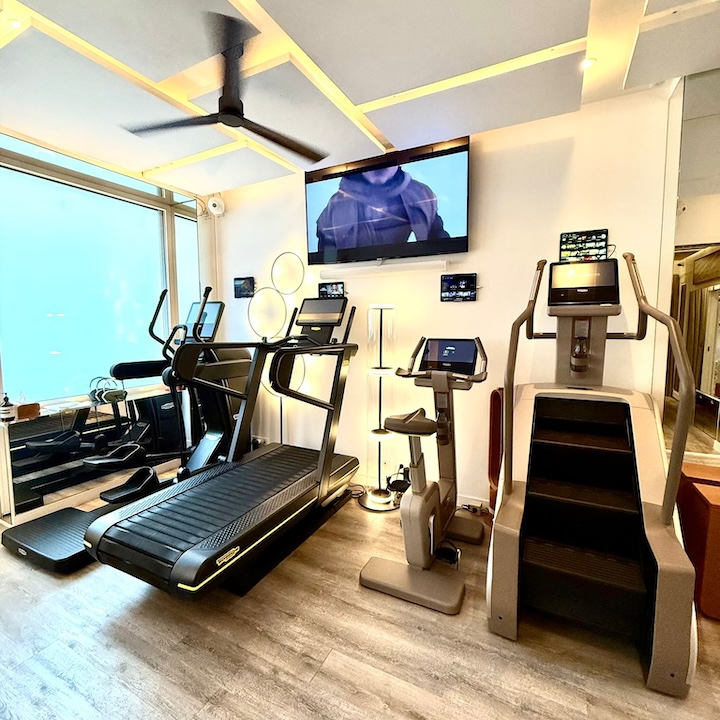
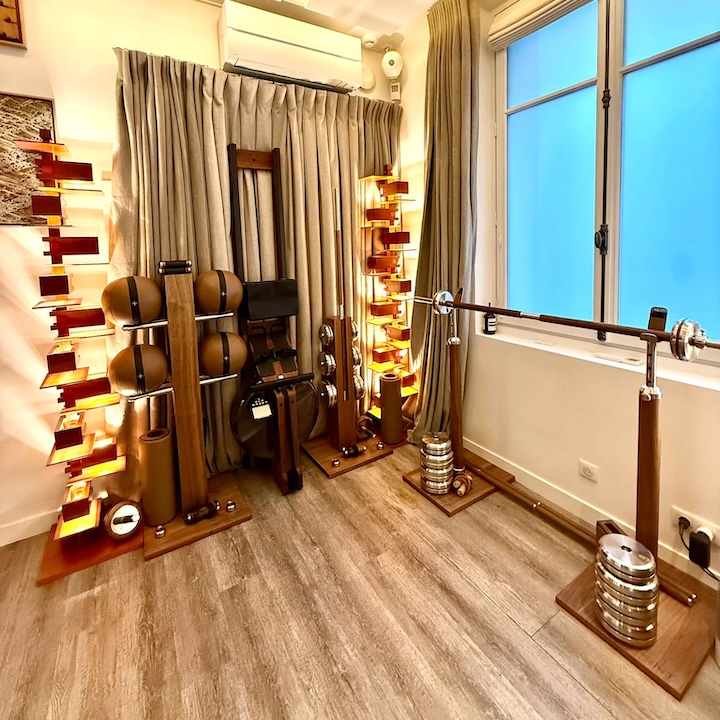
A private studio eliminates these obstacles. The space is reserved entirely for you. The equipment is immediately available. The atmosphere is calm, controlled, and conducive to deep, focused work. You can concentrate on your body, your sensations, and the quality of each movement without distraction.
At Louis Fabre Coaching, the private studio in Neuilly-sur-Seine was designed with exactly this in mind. Equipped with Technogym Artis Luxury and Pent Fitness equipment and located five minutes from the Pont de Neuilly metro station on Line 1, it offers an environment where every session is productive, every minute counts, and every client receives exclusive attention.
What You Can Expect in Terms of Results
With a structured program and personalized coaching, results after age 40 are not only possible but often surprising. Research shows that people who begin a structured strength training program after age 40 achieve gains comparable to those seen in younger individuals, provided the program is tailored to their needs and they allow for adequate recovery.
During the first four to six weeks, you’ll notice a significant improvement in your daily energy levels, sleep quality, and posture. Chronic pain—particularly in the lower back and shoulders—often decreases significantly as soon as muscle imbalances begin to be corrected.
Between two and four months, changes in body composition become visible: a reduction in body fat, an increase in muscle mass, and improved overall muscle tone. Strength improves measurably in the major movements. Mobility improves, making everyday movements smoother and more comfortable.
After six months, a profound transformation begins to take hold. You’re no longer working out to make up for lost time. You’re working out because it has become an essential part of your life—a source of energy, confidence, and mental clarity.
Turning 40 isn't the end; it's a new beginning
The people who achieve the best results after age 40 aren’t the ones who train the hardest. They are the ones who train the smartest. They respect their bodies as they are today, not as they were twenty years ago. They focus on precision rather than blind intensity. And they surround themselves with professionals who can guide them with rigor and kindness.
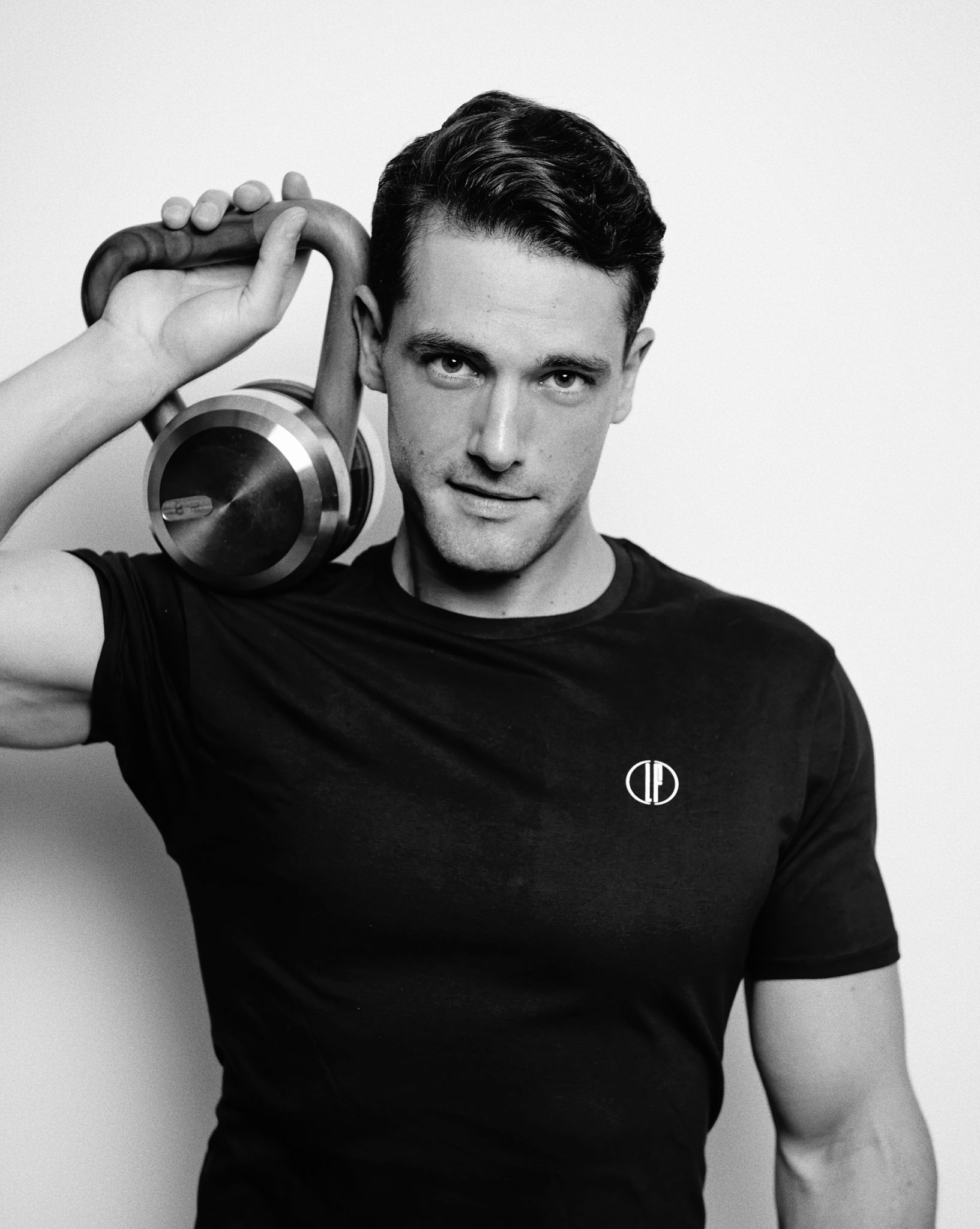
For over ten years, Louis Fabre has been working with clients aged 30 to 55 in Paris, London, and Singapore. His method is based on precision training, personalized nutritional guidance, and integrated recovery protocols. Each session takes place in a private setting, using state-of-the-art equipment, with a complete focus on your goals and well-being.
Ready to take back control of your fitness? Book your first session and discover how structured, personalized coaching can make a difference after age 40.