Exercising in Hot Weather: 10 Tips for Staying Safe
Summer training is a double-edged sword. On the one hand, the long days encourage you to go outside and get moving. On the other hand, the heat can turn a routine workout into an exhausting—or even dangerous—experience. The key isn’t to avoid exercise, but to adapt your routine in a methodical way. Whether you’re an experienced athlete or simply looking to stay consistent, understanding how heat affects your body is essential for making progress safely.

Strength, endurance, or simply feeling good: Here are 10 essential strategies for training smarter when the temperature rises.
1. Work out early (or late)
Avoid peak hours (12 p.m.–4 p.m.), when heat, UV index, and humidity are at their highest. The most pleasant times are generally before 9 a.m. or after 7 p.m. Your cardiovascular system can regulate your body temperature much more easily then. A morning workout sets the tone for the day: endorphins, focus, and energy. An evening workout helps you unwind, with milder temperatures.
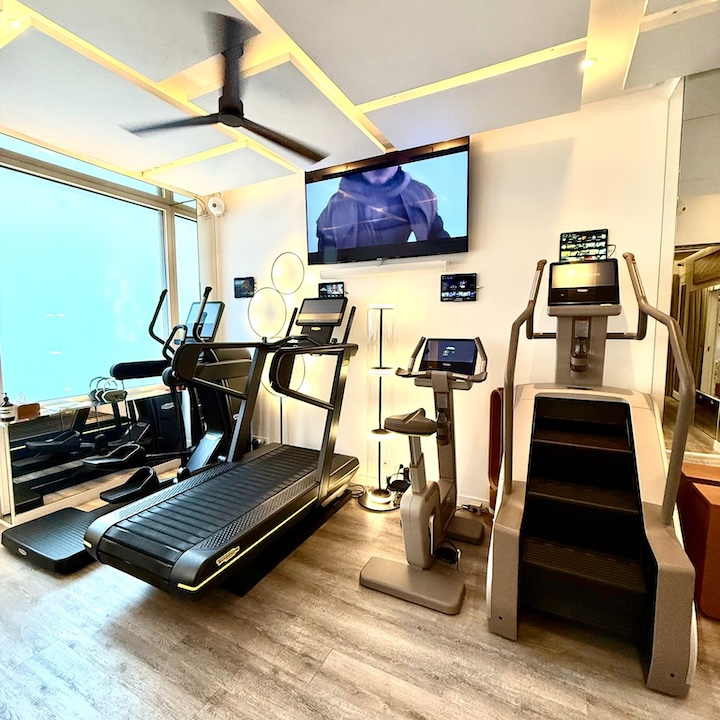
At Louis Fabre Coaching, the private studio is fully air-conditioned, ensuring optimal comfort year-round. Whether it’s 30 °C outside or raining, you’ll train in a calm and focused environment.
2. Adjust the intensity
Heat naturally increases your heart rate, perceived exertion, and fatigue. Your usual “moderate” workout may feel very intense at 32 °C. This isn’t a sign of weakness—it’s just physiology. Rather than aiming for your usual numbers, lower the intensity by about 10 to 20 percent, focus on the quality of your movements rather than the quantity, and listen to your body.

See this as an opportunity to refine your technique, work on your control, and become more efficient. Progress doesn't always mean doing more—sometimes it means doing it better. Training at a more relaxed pace during the summer protects your health and strengthens your foundation for the months ahead.
3. Stay Hydrated Like an Athlete
Staying hydrated isn't just about drinking water—it's about maintaining a balance of water and electrolytes before, during, and after exercise. When you sweat, you also lose sodium, potassium, and magnesium. General guidelines: start hydrating well before your workout (about 500 ml one to two hours beforehand), drink small amounts regularly during exercise—especially if it lasts longer than 30 to 40 minutes—and rehydrate afterward based on your fluid loss. These amounts vary from person to person.
4. Recognize the signs of overheating
Dizziness, nausea, cramps, confusion, an abnormally high heart rate, or chills despite the heat are warning signs of exhaustion or even heatstroke. If you experience any of these symptoms, stop immediately, move into the shade, rehydrate, and cool down (shade, air, water). Heatstroke can worsen very quickly: don’t just “grit your teeth” and push through it. If you feel severely unwell, call for help.

Knowing how to recognize and respect your body’s signals is part of smart training. There’s no glory in pushing yourself to the point of danger. In the summer, there’s less room for error: it’s better to be safe than sorry.
5. Dress lightly
Your clothes can be either an ally or an enemy. Choose light-colored, loose-fitting clothing made from technical fabrics that wick away moisture and allow air to circulate. Avoid thick cotton, which traps sweat and heat. Some brands offer UV-protective, breathable fabrics designed for exercising in hot weather.
6. Reduce Exposure
When outdoors, choose your location carefully: shaded parks, covered walkways, and partially shaded areas rather than direct sunlight. Concrete, asphalt, and glass trap heat in the city—avoid them if possible. At home or in a studio, ensure good air circulation (using fans or opening windows) or choose an air-conditioned space.

7. Change the format
The hot weather is a great opportunity to mix up your workouts. Replace long, heavy-load sessions with short, effective formats: EMOM (every minute), bodyweight circuits, and circuit training. You can also take advantage of swimming, cycling, or brisk walking, which challenge your cardiovascular system without putting as much strain on your body from the heat.
Movement, yoga, or guided breathing help balance the nervous system and improve recovery. Summer is a great time to mix up your activities, correct imbalances, and focus on areas you tend to neglect the rest of the year. You’ll be glad you did come fall and winter.
8. Eat Better
When it's hot, your appetite decreases, but your energy needs remain the same. Opt for light, frequent, and easily digestible meals that are high in water content: salads with watermelon or cucumber and lean protein, smoothies with oatmeal, seeds, and leafy greens. Avoid fatty, heavy meals right before exercise, as they slow digestion and increase internal body heat.
9. Focus on Recovery
Recovery isn't passive—it's when adaptation takes place. In the summer, your body needs even more attention. After each workout, take the time to calm down, rehydrate, and rest: a cool shower, gentle stretching, or 15 minutes with your legs up against a wall to improve circulation.
Sleep also becomes crucial. Heat disrupts deep sleep, which affects hormones and mood. Consider blackout curtains, fans, and a soothing evening routine. In the summer, recovery isn’t a luxury—it’s a non-negotiable part of your routine.

10. Listen to your body—really
Of all the tips, this is the most important one: listen to your body. If you’re exhausted, distracted, or just “not feeling yourself,” you can adjust, shorten, or skip the session. Listening to your body is a skill that pays off in the long run: it helps you avoid injuries, overexertion, and unnecessary guilt.
Training in the summer isn't about proving anything. It's about staying focused on your goals without neglecting your health. Knowing when to push harder, when to slow down, and when to change direction—that's the hallmark of sustainable training.
In conclusion: Make the summer your ally
Training in hot weather isn't a matter of survival, but of adaptation. It's an invitation to evolve: in your mindset, your schedule, your diet, and your recovery.
At Louis Fabre Coaching, we design personalized programs that adapt to real-world conditions, including the weather. For personalized guidance and a tailored approach, start with a personalized assessment or meet our strength training coach in Paris.
These are general guidelines. If you have any health issues (especially heart-related ones), consult your doctor before exercising in extreme heat.