Nutritional guidance from a fitness coach covers the basics of nutrition related to your goal: eating habits, protein intake, hydration, weekly meal planning, and adjustments based on your progress. It is not a substitute for a doctor or a registered dietitian in cases of illness or when following a medically prescribed diet.
In a nutshell
- What a coach does: He or she links nutrition and training, using simple guidelines and making regular adjustments.
- What it does not do: treat a disease or prescribe a medical regimen.
- WHO guidelines: at least 400 g of fruits and vegetables per day, less than 5 g of salt, and less than 10% of total energy intake from free sugars.
- Protein: 1.4 to 2.0 g per kilogram of body weight per day for people who exercise.
- Caution: If you have a medical condition or are unsure, seek medical advice first.
What does nutritional guidance from a fitness coach cover?
Effective nutrition counseling isn't just about "eating less" or "eating better." It starts with your real life: your schedule, meals at restaurants, travel, and personal preferences. It generally focuses on:
- A starting point: your current habits, your goal, and your schedule.
- Simple guidelines: fruits and vegetables, salt, sugars, protein, and hydration.
- Organizational matters: errands, meal prep, a busy week, business trips.
- The Connection to Training: What It Takes to Recover and Make Progress.
- Regular adjustments: based on your progress and body composition.
In practical terms, tracking focuses on macronutrients: their distribution based on your calorie goal, along with recipe ideas and meals that are easy to prepare without throwing your diet out of balance. This is a topic we discuss regularly with clients; it’s not a separate appointment.
What is the difference between a coach, a dietitian, and a doctor?
The fitness coach focuses on nutrition related to physical activity: habits, energy, recovery, and planning. Louis Fabre holds a dual master's degree in physical conditioning and sports nutrition.
A dietitian-nutritionist is a healthcare professional. They develop a detailed dietary plan, particularly when there is a medical need.
Your doctor makes a diagnosis and monitors your health. Before changing your diet, consult your doctor if you have diabetes, a digestive or kidney disease, a food allergy, are pregnant, or have an eating disorder.
What does the WHO say about healthy eating?
The World Health Organization provides clear guidelines for adults:
- at least 400 g of fruits and vegetables per day;
- less than 10% of daily energy intake from free sugars (about 50 g for 2,000 calories);
- less than 5 g of salt per day;
- 30% or less of total energy from fat, of which less than 10% is from saturated fat, and less than 1% is from trans fatty acids.
These are guidelines for the general public. They serve as a useful starting point before you tailor them to your specific goal.
How much protein should you eat each day when you work out?
The International Society of Sports Nutrition (ISSN) recommends 1.4 to 2.0 grams of protein per kilogram of body weight per day to build and maintain muscle mass in people who exercise. For a person weighing 70 kg, this amounts to 98 to 140 grams per day.
The same publication recommends spreading protein intake throughout the day, with about 0.25 g per kilogram of body weight per meal—that is, 20 to 40 g of high-quality protein per meal—every 3 to 4 hours. These guidelines apply to healthy adults. If you have kidney disease or another medical condition, consult a doctor first.
How does the follow-up process work at the studio?
In the weight-loss program, nutritional guidance is integrated into your workout routine and adjusted weekly based on your progress. It all starts with a 60-minute personalized assessment: a discussion about your goals, sleep, stress, and diet, along with a body composition analysis and posture evaluation.
Diet remains the key factor in weight loss. Strength training, on the other hand, helps preserve muscle mass during weight loss. To determine the right training frequency, read our article on how many sessions per week to do with a trainer.
Is nutritional monitoring suitable for busy schedules?
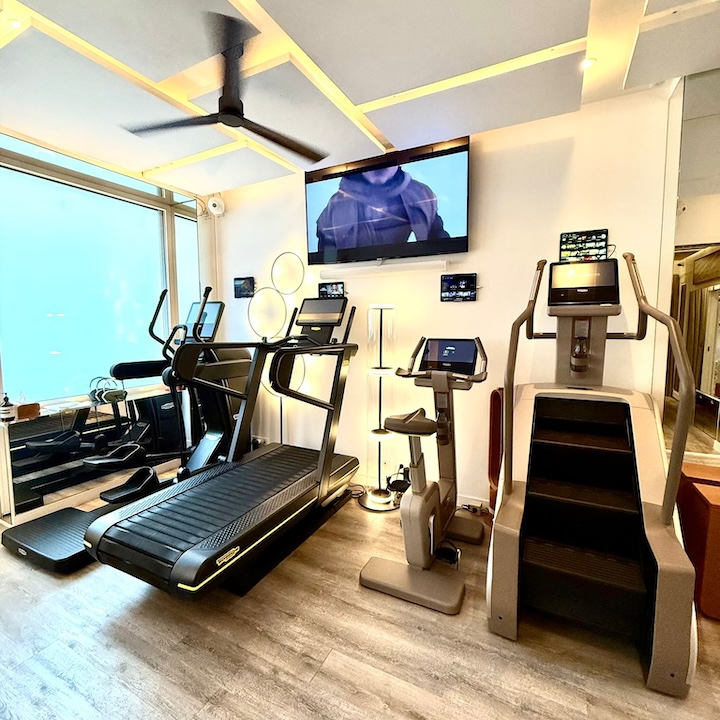
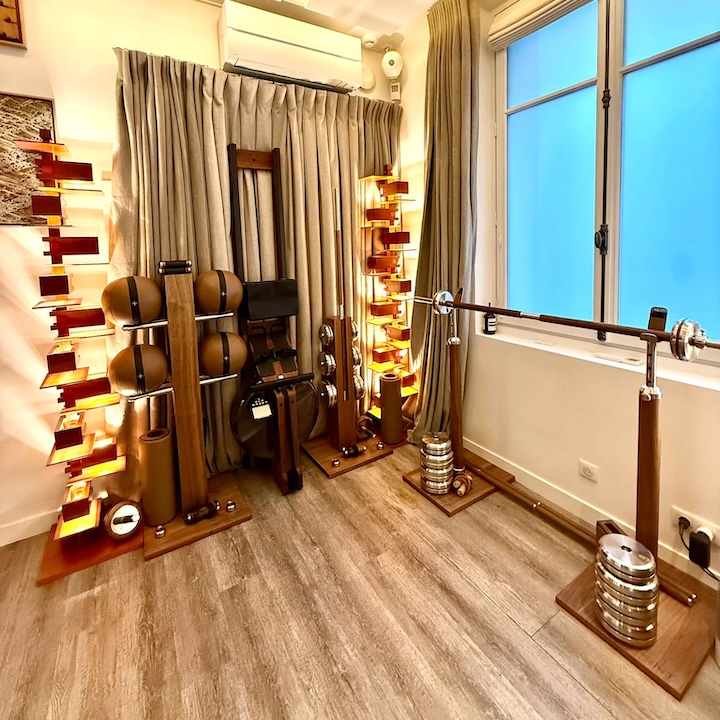
Yes, that’s actually where it helps the most. When the days are long, we look for practical solutions: simple meals, restaurant options, and ready-to-eat snacks. Our article on fitness coaching for executives goes into more detail about this approach. The studio is open from 6 a.m. to 11 p.m., seven days a week, which makes it easy to maintain a consistent routine even with a busy schedule.
How do I get started?
Start witha personalized assessment at the Neuilly-sur-Seine studio. You'll leave with a personalized plan. For coaching packages, visit the Services page.
Frequently Asked Questions
Can a personal trainer help me with my diet?
Yes, for habits, basic guidelines, protein intake, hydration, and organizing your workout routine. If you have a medical condition or are on a prescribed diet, you should consult a healthcare professional.
What's the difference between a dietitian and a nutritionist?
A dietitian-nutritionist is a healthcare professional who develops a detailed nutrition plan. A fitness coach links nutrition to training and tracks your progress on a daily basis. The two can complement each other.
How much protein do you need each day?
1.4 to 2.0 grams per kilogram of body weight per day for healthy adults who exercise, according to the ISSN. Your coach will adjust this guideline to fit your situation.
Is nutritional monitoring included in the support services?
In the weight-loss program, yes: it's included in the workout. For other plans, visit the Services page or contact us.
To learn more: sports coaching in Paris, your first session with a coach, or contact me. This content is for informational purposes only: it is not a substitute for medical advice.
Sources
- World Health Organization, Healthy Diet (fact sheet). https://www.who.int/news-room/fact-sheets/detail/healthy-diet
- Jäger R et al., International Society of Sports Nutrition Position Statement: Protein and Exercise, Journal of the International Society of Sports Nutrition, 2017. https://link.springer.com/article/10.1186/s12970-017-0177-8
About the Author: Louis Fabre is a former tennis player (Roland Garros, NCAA Division I at Texas Tech) who holds dual master’s degrees in physical training and sports nutrition, with over 10 years of coaching experience and more than 2,000 clients.